What is a creek?
Meet the channel, bed, banks, seasonal flow, and the life that depends on moving water.
Explore creek basics
Local water. Shared responsibility.
CreekKeeper explains how local waterways work, what puts them at risk, and practical ways people can help protect water, wildlife, and neighborhoods.
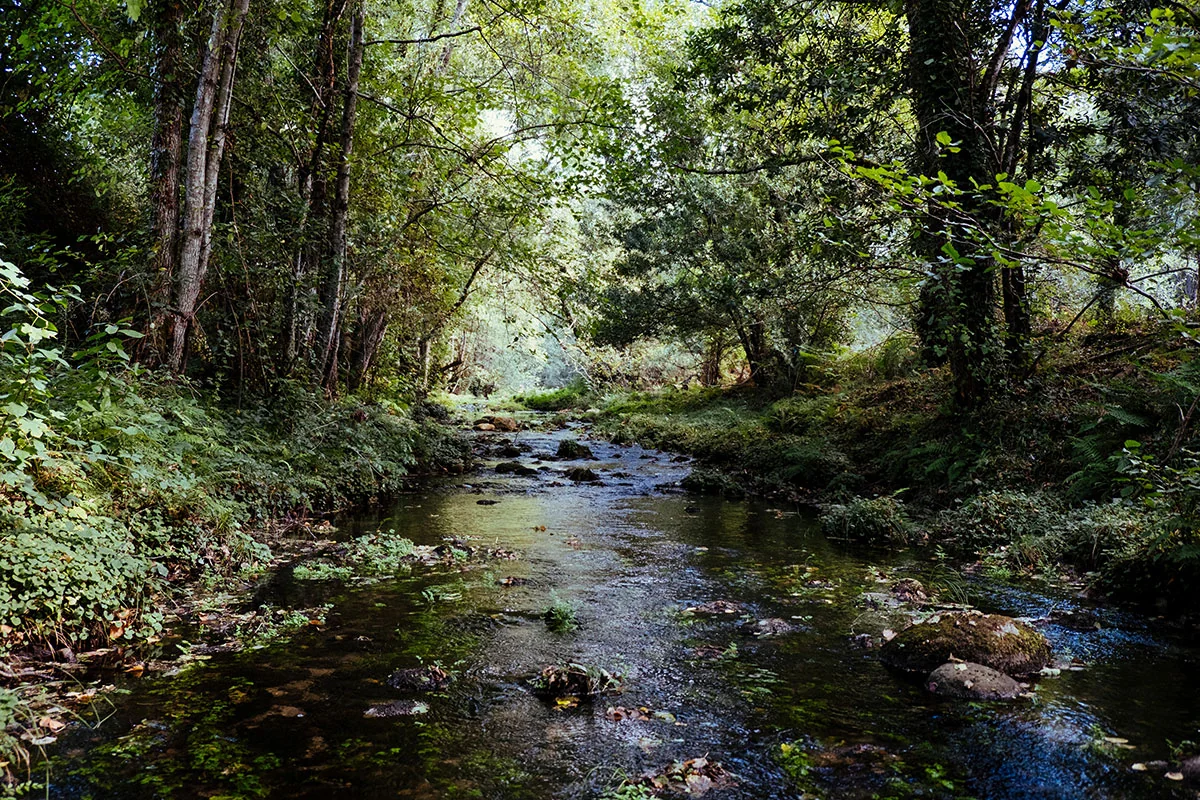
Rain can carry soil, litter, fertilizer, and chemicals from streets and yards into local waterways.
Understand the watershed
A creek is habitat, drainage, groundwater connection, and a living corridor through the watershed.
Meet the channel, bed, banks, seasonal flow, and the life that depends on moving water.
Explore creek basicsLearn why every driveway, lawn, parking lot, and forest slope affects the water below it.
See the whole systemThe green edge beside a stream filters runoff, cools water, supports wildlife, and holds soil in place.
Protect the creek edgeRecognize water threats
Nutrients, sediment, chemicals, and heat can change a healthy creek quickly. Recognition is the first step toward response.
Unusual scum, mats, paint-like streaks, or odors can signal a bloom that may threaten people and pets.
Spot a possible bloomExcess nitrogen and phosphorus can wash from land and feed uncontrolled algae growth.
Cut nutrients at the sourceWhen algae decay, oxygen can disappear from water—showing how local runoff can create distant damage.
Follow the downstream effectCare for local water
CreekKeeper supports year-round attention to the Johns Creek headwaters area and practical cleanup wherever water moves through a community.
The local cleanup area follows Johns Creek near Vaughn Lake, Brookwood Road, and McGinnis Ferry Road. Much of the creek crosses private property, so access and permission matter.
See the local projectPractical steps
Much of creek protection happens before runoff reaches the channel. A few consistent habits can make a measurable difference.
Resources